
Our Advantages
-
 Unbiased reviews focusing purely on structural performance and injury prevention features.
-
 Deep technical breakdowns of midsole materials, outsole grip patterns, and ankle collars.
-
 Clear guides that help players match footwear styles to their specific playing positions.
-
 Practical advice drawn from real basketball training sessions and competitive league matches.
History of the company
About us
How Basketball Shoes Achieve Ankle Support and Stability
Basketball is a game of sudden stops, violent vertical leaps, and relentless lateral shifts. Every time a player lands from a rebound or plants a foot to drive past a defender, tremendous force travels through the lower limbs. Footwear engineers spend years refining materials to absorb these impacts and keep the foot securely contained.
Without proper stabilization, the human ankle easily rolls under the weight of a fast-moving body. Understanding the mechanics built into modern basketball shoes helps athletes separate genuine engineering from mere cosmetic styling on the hardwood.
The Anatomy of High-Top Construction
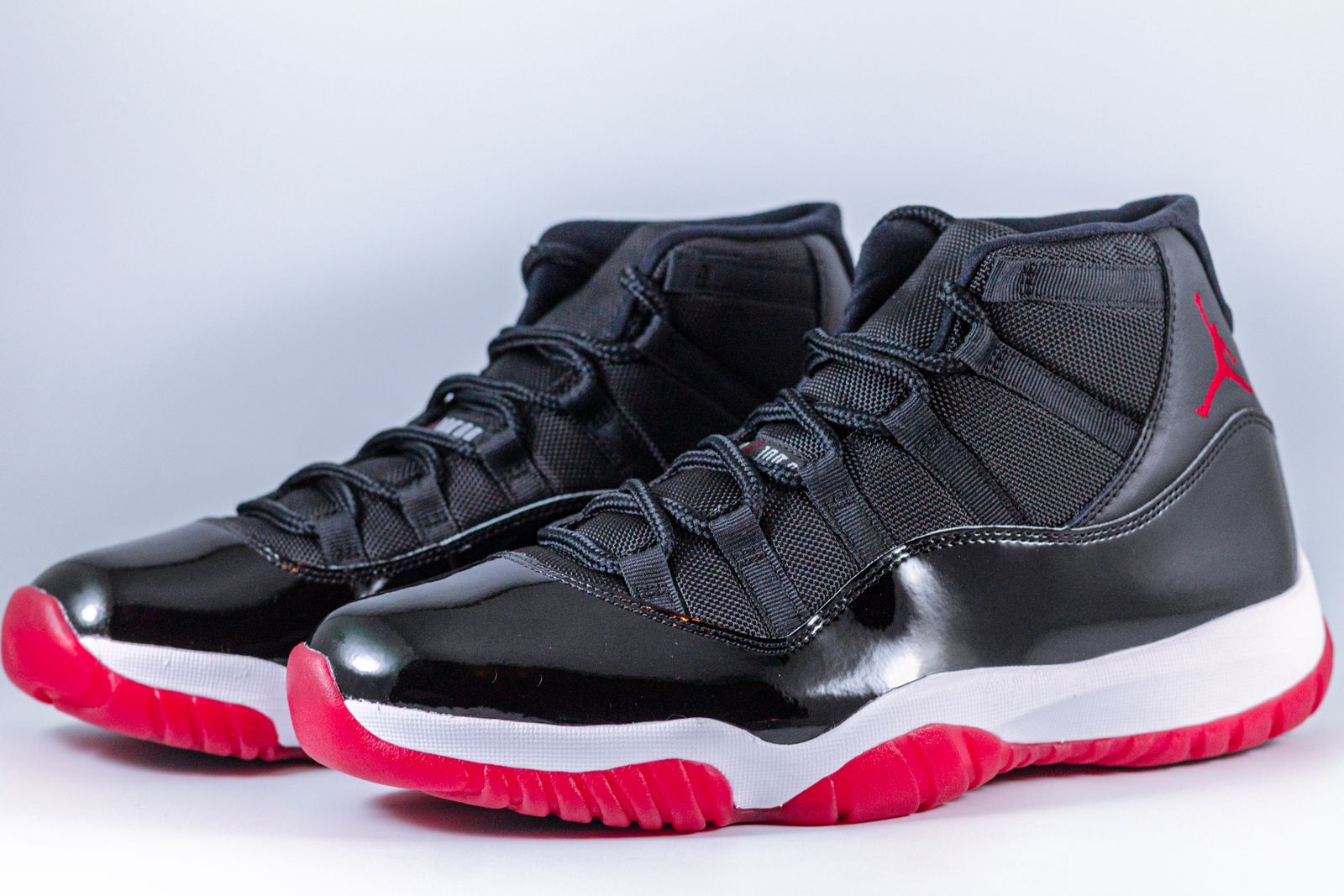
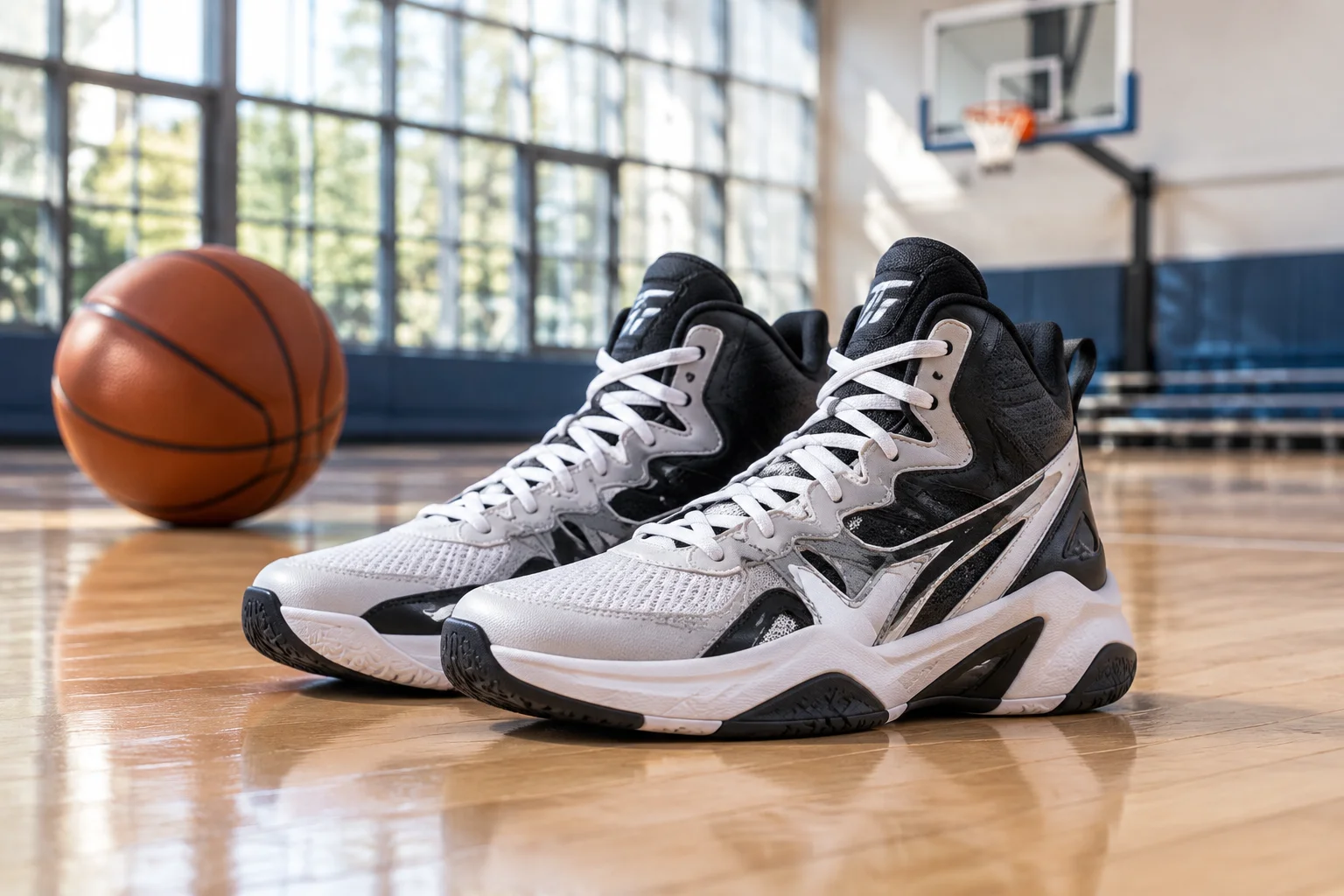
The traditional high-top silhouette remains the most visible symbol of basketball safety gear. High collars wrap around the lower tibia and fibula, offering a physical barrier that restricts extreme side-to-side rotation. This extra material gives the wearer immediate spatial awareness of where the joint sits in motion.
Critics often argue that fabric alone cannot stop a sprain since soft collars lack rigid bracing. However, modern designs integrate molded foam pods and internal heel counters directly into the collar area. These components hug the Achilles tendon and lock the heel bone firmly into the rear of the shoe.
When the heel stays put, the entire foot moves in unison with the midsole platform. Players experience a secure lockdown that reduces internal shifting during hard cuts toward the basket.
Lacing Systems and Midfoot Lockdown
Collar height loses its effectiveness if the foot slides forward inside the shoe during aggressive deceleration. Lacing configurations bridge this gap by anchoring the midfoot directly to the outsole foundation. Traditional eyelets have evolved into dynamic webbing setups and integrated cables that tighten around the arch.
- Standard eyelets allow straightforward tension adjustment across the instep for an even fit.
- Webbing loops pull downward from the midsole when laces are pulled tight.
- Dynamic cables wrap the lateral and medial sides to hug narrow or wide arches alike.
- Ankle straps add an extra layer of mechanical closure over the top eyelets.
- Gusseted tongues prevent the material from bunching up under tight lace pressure.
Each lacing variation distributes pressure differently across the top of the foot. Pulling the laces tight engages the internal harness, preventing the toes from slamming into the front toe cap during sudden stops.
Outsole Shape and Platform Width
The base of the shoe dictates how safely a player returns to the floor after a jump. Narrow outsoles create an unstable platform that tips over easily upon landing on uneven surfaces or another player's foot. Designers combat this by flaring the midsole outward beneath the forefoot.
This added extension acts as an outrigger. The wider footprint spreads the landing impact across a larger surface area, dramatically lowering the chance of rolling the ankle outward.
Torsional shanks embedded in the arch area further reinforce the sole shape. These rigid bridges prevent the shoe from twisting excessively in the middle while allowing natural flexibility at the ball of the foot.
Balancing Mobility and Protection
Heavy leather boots offer maximum rigidity but slow down agile guards who rely on lightning speed. Modern engineering focuses on striking a delicate balance between unrestricted movement and reliable structural support.
Low-top and mid-top models achieve this through composite carbon plates, wider outsoles, and engineered mesh uppers that provide lateral containment without weighing the athlete down. Choosing the right pair ultimately depends on a player's physical playing style, injury history, and personal preference for court feel.

Kateryna Petrenko

Olena Shevchuk

Andriy Shevchenko

Dmytro Kovalenko
Our People
- Examine the player movement patterns and identify common ankle stress zones on the basketball court.
- Analyze shoe designs focusing on collar height, midsole width, and torsional shank rigidity.
- Publish detailed insights on how specific lacing setups and sole shapes improve overall foot stability.
Many satisfied customers trust us
-
 Oleh BondarenkoFinding a pair with solid ankle lockdown used to be pure guesswork. Reading these structural breakdowns finally helped me understand why wide outsoles matter so much for my landing stability.
-
 Yuriy MelnykThe analysis of lacing loops and dynamic flywire cables opened my eyes. My feet used to slide inside the shoe during sharp cuts, but adjusting the fit based on these guides solved it completely.
-
 Iryna TkachenkoAs a guard who relies on quick changes of direction, ankle support is my top priority. This site explains the difference between high-tops and reinforced low-tops better than any manufacturer description.
-
 Victoria BoykoI really appreciate the focus on sole shape and torsional plates. Most reviews just talk about cushioning, but knowing how the shoe prevents rolling makes all the difference during games.